
Lesson Plan: Our Place in Space
Unit & Lesson Identification
Transdisciplinary Theme:
How the World Works
Central Idea:
The Earth is part of a vast universe that can be explored and observed.
Lines of Inquiry:Features of objects in space (form)Our connection to space (connection)How we learn about space (perspective)
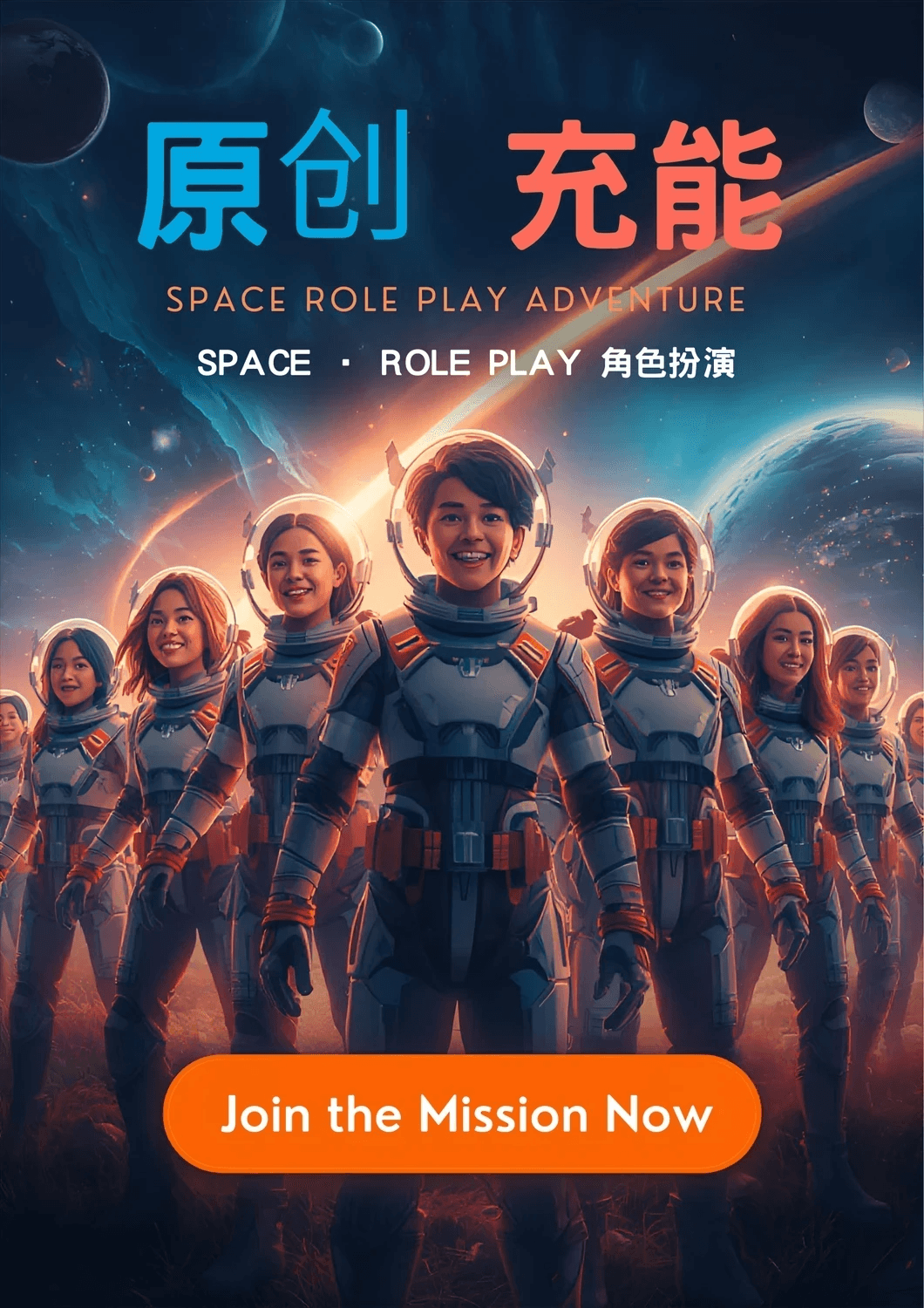
Lesson Title: Astronaut Academy: Exploring the Moon and Stars
Age Group: PK (3-4 years old)
Duration:40 Minutes
Key Concept: Form, Connection
Learner Profile Focus: Inquirers, Communicators
Approaches to Learning (ATLs): Communication Skills (Listening, Speaking), Social Skills (Cooperating, Group Decision-Making)
2. Learning Objectives & Success Criteria
Learning Objectives (Students will be able to…):
- (Cognitive) Identify and name basic features of space: moon, stars, rocket.
- (Language) Use new target vocabulary (moon, star, rocket, astronaut) in simple phrases.
- (Physical/Social) Collaborate in simple role-play scenarios and participate in guided gross motor "training" activities.
- Success Criteria (I can…):
- I can point to the moon and stars when asked.
- I can say "Go rocket!" or "Hello, moon!"
- I can take turns and follow simple instructions during our space mission.
3. Differentiation & Inclusion (SEN/EAL Focus)
- Visual Support:
All instructions paired with clear gestures, realia (props), and pictogram schedules.
- Language Scaffolding:
Core vocabulary repeated in song, chants, and modeled phrases (e.g., "Look! A
star
."). No pressure for full sentences.
- Kinesthetic & Sensory:
Multiple hands-on, movement-based activities. Quiet, dimly lit "stargazing" area for overstimulated learners.
- Social-Emotional:
Clear routines, buddy system for activities, and consistent positive reinforcement (e.g., "Great teamwork, astronauts!").
4. Materials & Preparation
- Environment Transformation:
Dimmed lights. Black/blue fabric draped. Glow-in-the-dark stars on walls/ceiling. Soft, space-themed ambient music.
- Technology:
Projector with looped, silent video of slow-moving stars/nebula. Simple slideshow of images (moon surface, stars, smiling astronaut).
- Activity Stations:
- Launch Control:
A decorated tent or table with a large cardboard rocket control panel (buttons, dials).
- Moon Surface:
A defined area with thick blue gym mats for low-gravity jumping.
- Stargazing Zone:
A carpet with pillows, laminated pictures of constellations.
- Props:
Plastic helmets, astronaut badges (with velcro for easy on/off), soft "moon rocks" (crumpled foil balls), sensory bottles with glitter (galaxy jars).
- Visual Aids:
A "Mission Board" with pictogram sequence of activities.
5. Lesson Flow
Part 1: Launch Sequence – Circle Time (10 mins)
Greeting & Tuning In (5 mins):
Gather in circle. Sing hello song. Introduce the day's "secret mission" with whispered excitement. Show a real astronaut helmet (or clear image). Model target words with exaggerated articulation:
"As-tro-naut. We are astronauts today!"
Provocation & Shared Writing (5 mins):
Play 30 seconds of the star video. Ask:
"What do you see? Ooooh... stars! Shiny!"
Record one-word or pictorial student responses on large chart paper (e.g., draw a star next to a child's name). Introduce the "Mission Board" to show our plan.
Part 2: Mission Training – Guided Exploration (20 mins)
Station 1: Rocket Launch (5 mins):
"Astronauts need a rocket!" Students move to Launch Control. Countdown from 10 as a group, then jump and shout
"BLAST OFF!"
Repeat chant 2-3 times.
Station 2: Moon Walk (8 mins):
"We landed on the moon!" Guide students to the mat area. Explain safety (soft jumps). Model slow-motion "moon jumps." Introduce foil "moon rocks" for students to collect and place in a basket. Use phrases:
"Find a rock. Jump to the basket."
Station 3: Stargazing (7 mins):
"Look at the beautiful stars." Lead students to the calm Stargazing Zone. Dim lights further. Use a flashlight to point out stars on the ceiling. Pass around galaxy sensory bottles. Use quiet voices:
"The star is white. It is shiny."
Mission Debrief – Reflection & Closing (10 mins)
Gathering & Sharing (5 mins):
Return to circle. Use a "talking rock" (a special glow-in-the-dark stone) for turn-taking. Ask:
"What did you like? The rocket? The moon jumps? The quiet stars?"
Accept single-word answers, gestures, or pointing to pictures.
Closing Ritual & Song (5 mins):
Sing a simplified space song (e.g., to the tune of "Twinkle Twinkle": "Zoom, zoom, zoom, We're going to the moon"). Students return their badges to a "Mission Complete" box.
6. Assessment Strategies
Formative (During): Anecdotal Notes:
Quick notes on which students independently used target vocabulary or followed 2-step instructions.
Observation Checklist:
Tracking participation in each station: (Participated with support / Participated independently / Led or initiated play).
Digital Portfolio (Toddle/ClassDojo):
Capture short (5-10 sec) video clips or photos of students engaged in each station (with permissions), noting language or social milestones.
Summative (End of Unit):
A simple, game-based "checkpoint" where students match object cards (rocket, moon, star, astronaut) to larger poster images. Review of portfolio evidence to show progression in language use and conceptual understanding.
7. Links to IB PYP & Future Planning
Action:
Observe if students continue space play during free choice. Provide related books and materials in the creative area the following week.
Extension:
In the next lesson, introduce the sun and connect it to daytime/nighttime routines. Create a class "day and night" mural.
Teacher Reflection:
Did the sensory/movement balance work? Which station had the highest engagement? Which vocabulary was most successfully adopted? How can parent communication (via Dojo/Toddle) extend this learning at home?
Our Place in Space
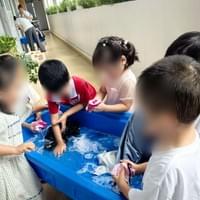
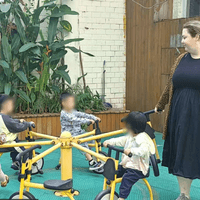
Snapshots of Our Learning Journey
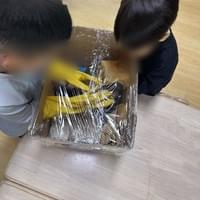
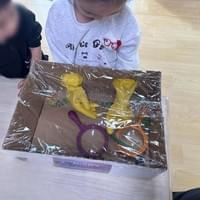
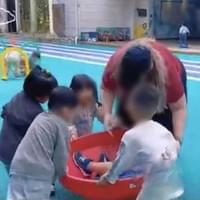
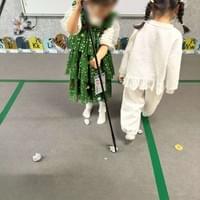

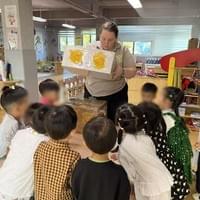
Activities from the Year
Snapshots of Our Learning